
Business Automation
Email vs SMS Follow-Up

Most follow-up fails before the message is even read. The email sits under forty newer messages, or the text arrives with so much packed into it that answering feels like work. The channel choice shapes both problems.
This is not a contest with one winner. The guides in our Sources reach the same conclusion from different data: SMS wins attention and speed, email wins depth and record, and the strongest follow-up uses each channel for what it does best.
TL;DR
- SMS is seen within minutes and invites a quick reply, so it fits first contact and reminders.
- Email carries detail, documents, and a record, so it fits proposals and nurture.
- Using only one channel leaves a gap: speed without substance, or substance without attention.
- The practical answer is a paired sequence, timed by a CRM workflow, not sent by hand.
Email vs SMS follow-up?
That split, speed on one side and substance on the other, explains every row in the comparison below. Read it as a routing guide for your next sequence, not as a verdict on either channel alone.
Side by side: speed, response, and detail
| Criterion | SMS follow-up | Email follow-up |
|---|---|---|
| Speed seen | Within minutes, on the lock screen | Hours, inside a crowded inbox |
| Response style | Short, conversational, quick reply | Longer, considered, easy to defer |
| Content depth | One point, one next step | Detail, documents, and attachments |
| Record | Thin thread, hard to search later | Searchable record people can forward |
| Best for | First contact, reminders, confirmations | Proposals, explanations, nurture sequences |
The reminder comparison in our Sources makes the same trade visible: texts are delivered instantly and read within minutes, while email can be buried or filtered, but email offers richer personalization when the message needs it.
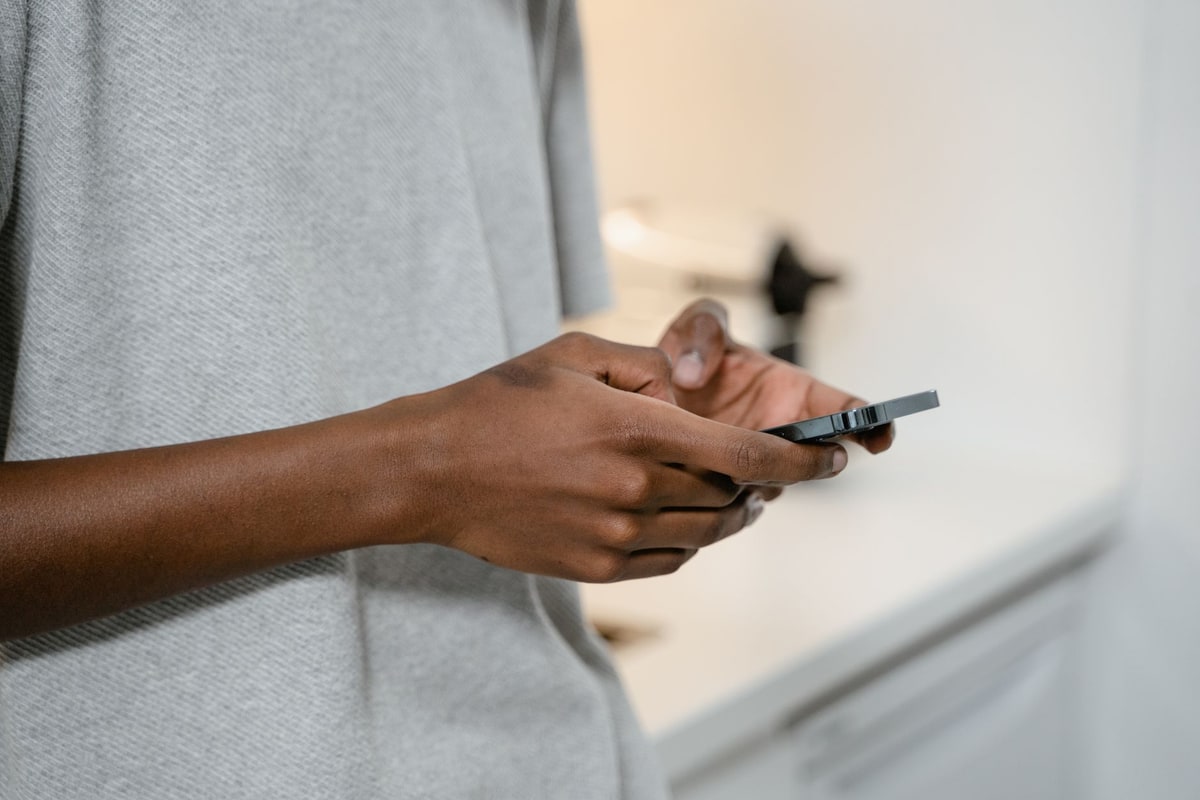
Why speed and depth pull in opposite directions
A text works because it asks for almost nothing: read one sentence, tap one reply. That low effort is why the business texting guide in our Sources reports SMS ahead on open rates and response speed for time-sensitive follow-up.
Email asks for more and gives more. It can carry the quote, the comparison, and the reasoning a decision needs, in a format the reader can forward. Our guide to what lead follow-up automation costs shows how that work is priced when a system runs it.
The failure mode is using one channel to do the other channel job: a text stuffed with detail nobody reads, or an urgent reminder sent only by email and discovered after the appointment it was meant to save.

When each channel wins
- Choose SMS first when the lead just inquired, an appointment needs confirming, or a reply is needed today. Brevity is the feature, so keep one point and one next step.
- Choose email first when the follow-up carries a proposal, a document, or a decision that involves more than one person. Depth and a forwardable record are the features here.
- Choose both, paired, when the sequence matters more than any single message: text for the acknowledgement and the reminder, email for the substance in between.
Reactivation is the paired case most businesses miss. Our article on why past customers never hear from you again covers the silence problem; the channel pairing here is how a reactivation sequence actually gets read.
Systems matter as much as channels. Our roundup of the best automated lead follow-up systems compares the tools that can time a text and an email from the same trigger, so neither depends on someone remembering.
At Help With Automation, that pairing sits inside our CRM automation services: one workflow watches the lead, sends the text at the fast moment, and sends the email when detail is what moves the decision.

The Channel Fit Test we run
This test is our method, not a measured client outcome. We ask five questions about any follow-up step before assigning it a channel. The answers route the step faster than any general rule about which channel is better.
- How soon must they reply? If the value decays within hours, the step belongs on SMS. If it can wait a day, email can carry it.
- How much must they read? One sentence points to SMS. Paragraphs, options, or attachments point to email.
- Must anyone else see it? A message that will be forwarded or filed belongs on email, where the record survives.
- What action closes the step? A confirmation or a one-word reply fits SMS. A considered decision fits email, with time to think.
- What happens if it is missed? If a miss costs the booking, send both: the text for attention, the email for the detail behind it.
Frequently asked questions
Should I text or email a new lead first?
Text first when speed matters and the lead just inquired, because a short message is seen quickly and is easy to answer. Follow with email when the next step needs detail, pricing context, or a document. The two messages should agree, not repeat each other word for word.
Does SMS replace email for follow-up?
No. The comparison guides in our Sources are consistent on this point: SMS wins on visibility and response speed, while email wins on depth, formal communication, and nurture. Replacing email with texts removes the record and the detail that larger decisions need in order to move forward.
When is email better than SMS for follow-up?
When the message carries a proposal, a quote, an attachment, or an explanation the reader must revisit and share. Email also suits longer nurture sequences and formal confirmations. If the reader needs to think, compare, or forward it to someone else, email is the stronger channel.
How do you combine SMS and email in one sequence?
Use SMS to get attention at the moment it matters: a quick acknowledgement, a reminder, or a nudge that an email is waiting. Use email to carry the substance behind that nudge. Automated workflows in a CRM can time both channels so neither one is sent by hand.
What should the first follow-up text say?
Confirm the inquiry, name your business, and make one next step easy: reply to confirm, tap to book, or answer one short question. Keep it brief enough to read on a lock screen. Save explanation, options, and documents for the email that follows the text.
Sources
Comparison claims in this article are brief summaries of the published guides linked below, checked for this article. The Channel Fit Test is our own working method, presented as method rather than a measured client outcome.
- SMS vs email for business follow-up: SMS consistently outperforms email in open rates and response speed, email wins for longer content, formal communication, and nurture sequences, and the strongest strategies use both, with SMS for time-sensitive lead follow-up and reminders and email for detailed content and documents
- SMS vs email data study: SMS outperforms email on engagement metrics and suits time-sensitive alerts and immediate action, while email remains essential for detailed content, brand narrative, and nurturing long-term relationships, so the effective strategy integrates both into automated workflows
- Email vs SMS appointment reminders comparison: SMS reminders are delivered instantly and read within minutes, emails can be buried in crowded inboxes or spam folders, email offers more dynamic personalization, and both channels can be automated through scheduling or CRM platforms
Each guide is written from hands-on automation implementation work with service businesses. We verify setup and tool claims against live sources, and update guides when the market moves.