
AI Automation Examples for Improving Small Business Operations
Small businesses can use AI automation examples to transform how they operate, from managing customer inquiries to streamlining internal tasks.

TL;DR
- Automate customer service with AI chatbots for instant lead response and frequently asked question handling.
- Streamline lead nurturing and sales follow-up using AI to personalize communications and identify ready prospects.
- Optimize internal operations like client intake, reporting, and data entry with AI-powered workflows.
- Implement AI tools like HubSpot or GoHighLevel for measurable improvements in response times and task completion.
- Focus human effort on high-value interactions by offloading repetitive tasks to AI automation.

1. AI Automation Examples for Small Business Customer Service
AI automation transforms how small businesses manage customer service and engage new leads. AI chatbots handle initial inquiries instantly, answering common questions and guiding visitors through basic troubleshooting. This immediate response reduces waiting times for customers and ensures no lead goes unacknowledged.
For example, a chatbot can collect essential information from a website visitor, qualify their needs, and then create a CRM record. This setup ensures that human teams interact with better-informed prospects. AI improves overall lead engagement from the first contact.
Beyond initial responses, AI can personalize follow-up messages based on customer interactions. It can identify patterns in customer queries and suggest relevant articles or services, offering a tailored experience. This proactive engagement keeps leads active and moves them further down the sales pipeline. Measuring response time and initial conversion rates provides clear feedback on the effectiveness of these AI applications.
2. Streamlining Sales Processes with AI
Sales teams within small businesses gain significant advantages from AI automation. AI tools can analyze CRM data to score leads, prioritizing those most likely to convert based on past behavior and demographic information. This lead scoring helps sales representatives focus their efforts on high-potential prospects.
Automated sequences then deliver personalized follow-up emails and SMS messages. These sequences are triggered by specific actions, such as a lead downloading a resource or visiting a pricing page.
AI also helps identify stalled pipeline stages. It can flag deals that have not progressed within a set timeframe or alert sales managers to potential roadblocks. This insight allows for timely human intervention, preventing lost opportunities.
For example, a GoHighLevel workflow can use AI to detect low engagement with a proposal and automatically prompt a sales rep to re-engage with a specific offer. Tracking booking rates and conversion rates before and after AI implementation provides a clear picture of its value.
3. Optimizing Internal Operations and Administration
Internal operations often involve a multitude of repetitive administrative tasks. AI automation provides solutions for processing invoices, tracking expenses, and streamlining data entry. AI can categorize incoming emails, extract key data from documents, and update records in your customer relationship management system. This reduces the manual effort and potential for human error associated with these tasks.
Consider an AI integration that automatically extracts line items from a vendor invoice and updates an accounting platform. This saves hours of manual data entry for an operations manager. AI also automates report generation, compiling data from various sources into digestible summaries for decision-makers.
These automations free up staff to focus on more strategic activities that require human judgment, creating a more efficient operational environment.
4. Implementing AI Automation: A Checklist for Small Businesses
Successful AI automation begins with a clear strategy and systematic implementation. First, identify your most significant pain points and the tasks that consume the most time. These are often repetitive and rule-based, making them ideal for AI.
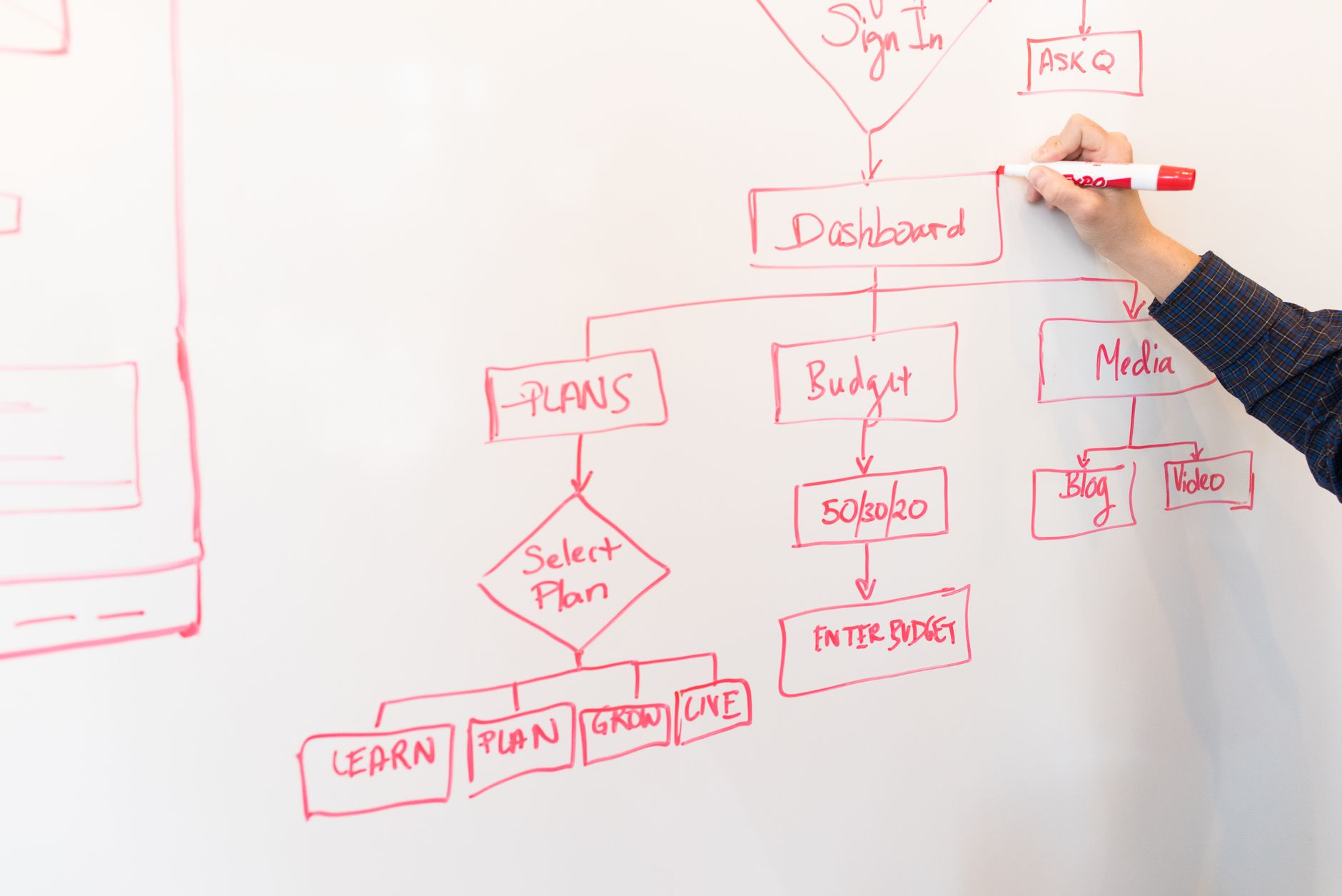
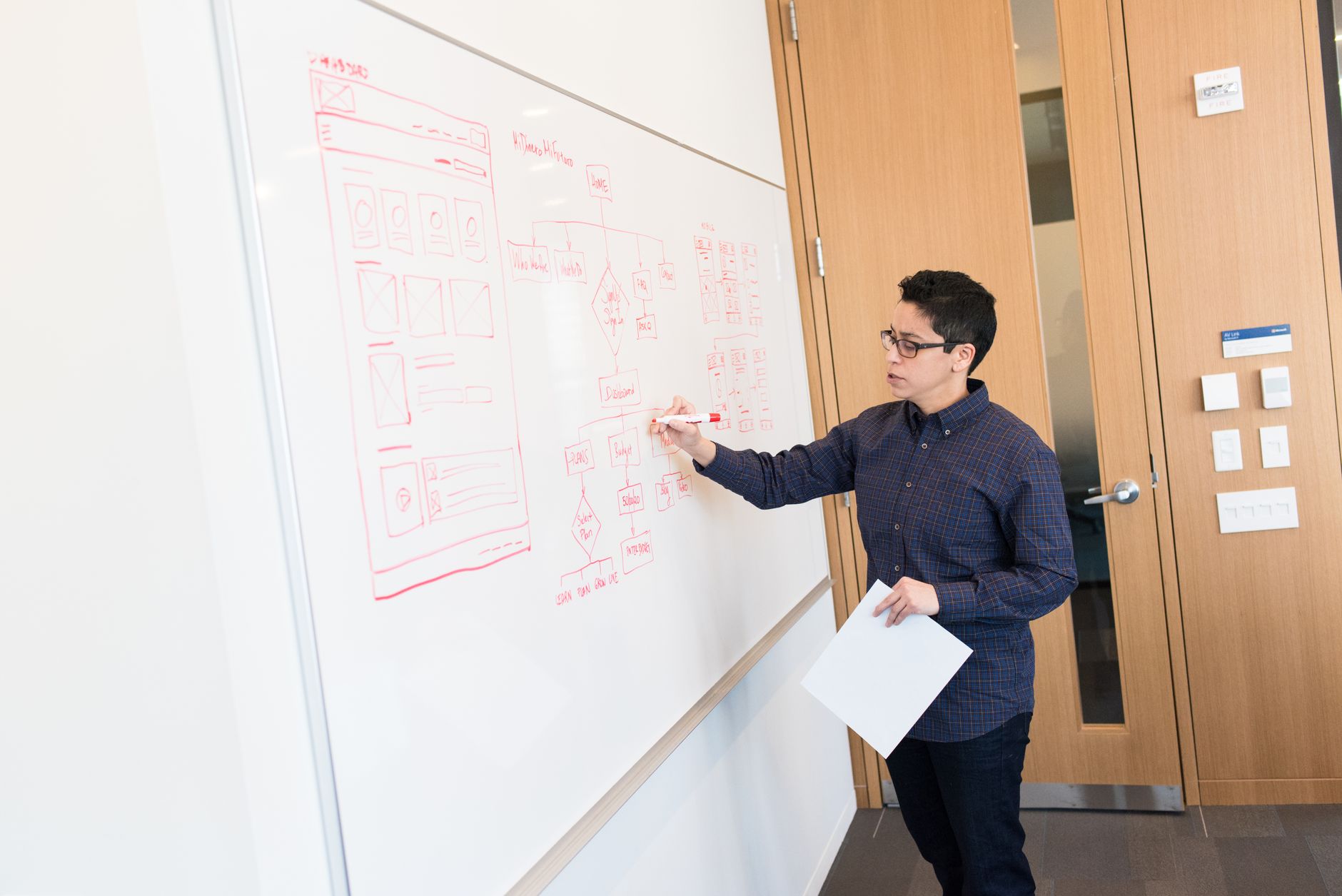
Documenting your current workflows precisely, including every trigger, step, and human handoff, sets the foundation for automation design. Defining clear, measurable objectives, such as a 20% reduction in lead response time, provides a target for your efforts.
Start with a small, manageable project to test the waters. This approach minimizes risk and allows your team to adapt to new processes. For example, automate only the initial lead qualification questions before moving to a full nurturing sequence.
Planning for exception paths is also critical; what happens if the AI encounters an unusual input or cannot complete a task? Help With Automation designs these exception paths into your workflows, ensuring a human can step in when needed.
We emphasize a gradual rollout, allowing for adjustments and team training at each stage.
5. Measuring the Impact of AI Automation
Understanding whether your AI automation is working requires tracking specific metrics. Key performance indicators might include average lead response time, lead-to-opportunity conversion rates, and the number of manual hours saved on administrative tasks. Before implementing any automation, establish baseline metrics. Then, consistently monitor these numbers after your AI solutions are in place. This before-and-after comparison reveals the real impact.
Our approach at Help With Automation focuses on tangible outcomes, not just implementing tools. We help small businesses define the right metrics and set up reporting dashboards.
For example, a local service business might track how many missed calls are now converted into booked appointments thanks to an AI-powered auto-text response. This data helps refine workflows and demonstrates the return on investment for your automation efforts.
Regular review of these metrics ensures your AI automations continue to meet your operational goals.
6. Overcoming Common AI Automation Challenges
Implementing AI automation comes with common challenges, but solutions exist. Data quality stands out as a frequent hurdle; AI systems perform best with clean, structured data. Addressing this might involve a CRM cleanup or data standardization project before deployment.
Initial setup can seem complex, requiring expertise in integrating various platforms like HubSpot or Zapier. This is where partnering with an automation specialist helps, ensuring a seamless integration of your tech stack. We handle the technical details, allowing you to focus on your business.
Team adoption is another critical factor. Introducing new AI tools requires clear communication, training, and demonstrating the benefits to staff. Showing how AI frees them from repetitive work encourages buy-in. Finally, maintaining robust exception paths and regularly auditing your automated workflows prevents issues.
As your business evolves, your automations need updates. Regular workflow audits ensure they remain effective and aligned with your operational needs. Consider an automation audit to identify potential gaps or areas for improvement.
Related Automation Resources
If you want to understand more about general AI automation benefits, consider reading our guide on AI Workflow Automation for Small Business.
Fixing Stalled Automated Lead Follow-UpIf your current automated lead follow-up system is not working as expected, our article on Fixing Stalled Automated Lead Follow-Up offers troubleshooting tips.
CRM Automation ExamplesFor more detailed insights into how CRM automation can support your operational goals, explore our CRM Automation Examples.
Automation AuditIf you are ready to identify how AI automation can benefit your business, schedule an Automation Audit with us.
Workflow Automation Audit ChecklistTo begin preparing for implementation, review our Workflow Automation Audit Checklist.
FAQ
What are some effective AI automation services for small businesses?
Effective AI automation services for small businesses include AI chatbots for customer support, intelligent lead scoring systems, automated email personalization, and AI-powered data extraction tools for administrative tasks. Platforms like HubSpot and GoHighLevel offer integrated AI capabilities for these functions.
How can a small business use AI to automate its daily operations?
Small businesses use AI to automate daily operations by applying it to repetitive, rule-based tasks. This involves setting up AI tools to handle initial customer inquiries, categorize inbound emails, process invoices, update CRM records, and personalize marketing messages, freeing up staff for more complex work.
What specific automations are most beneficial for small businesses using AI?
The most beneficial automations for small businesses using AI often involve customer service (chatbots for instant replies), lead management (qualification and personalized follow-up), and administrative tasks (data entry, report generation). These areas frequently see quick improvements in response times and operational costs.
How does AI help small businesses become more efficient and competitive?
AI helps small businesses become more efficient by automating routine tasks, reducing manual errors, and providing insights for better decision-making. This allows them to compete more effectively with larger companies by offering faster customer service, more personalized marketing, and leaner internal operations.
What is the lead nurturing process for new business leads with automation?
The automated lead nurturing process typically involves AI scoring incoming leads based on engagement and demographic data. Then, a series of personalized emails or SMS messages are automatically sent, tailored to the lead's expressed interests. AI further analyzes responses to determine when a lead is ready for a human sales interaction, triggering an alert or direct handoff.
Sources
These live sources informed the factual and product-specific details in this guide.
Want this mapped to your business?
HWA can audit the manual work behind your sales, ops, and customer follow-up systems, then turn the best opportunities into working automation.