
Sales Reporting Automation Consultant for Small Firms
For small firms seeking to transform their sales operations, a sales reporting automation consultant provides the expertise to streamline data collection and analysis.

TL;DR
- Automated sales reporting provides small firms with accurate, real-time data without requiring manual effort from sales teams.
- A specialized automation consultant designs systems to automatically track leads, update pipeline stages, and analyze conversion rates.
- Help With Automation helps small firms implement custom solutions using popular tools like HubSpot, GoHighLevel, or Zapier.
- Outsourcing sales reporting automation offers specialized skills and often leads to faster implementation than internal teams can achieve.
- Empower your sales team to focus on selling and client relationships, not on building or maintaining complex reports.

1. Understanding Sales Reporting Automation for Small Firms
Sales reporting automation simplifies how small firms collect, analyze, and present their sales data. It removes the manual tasks involved in tracking lead sources, pipeline progress, and conversion metrics. Instead of spending hours compiling spreadsheets, your team receives dashboards and reports that update automatically.
Small businesses often struggle with fragmented data across various platforms, making it hard to get a clear picture of sales performance. This automation connects your CRM, marketing tools, and communication platforms. It creates a single source of truth for your sales data, allowing you to make faster, more informed decisions about your sales strategy and team performance.
2. What a Sales Reporting Automation Consultant Does
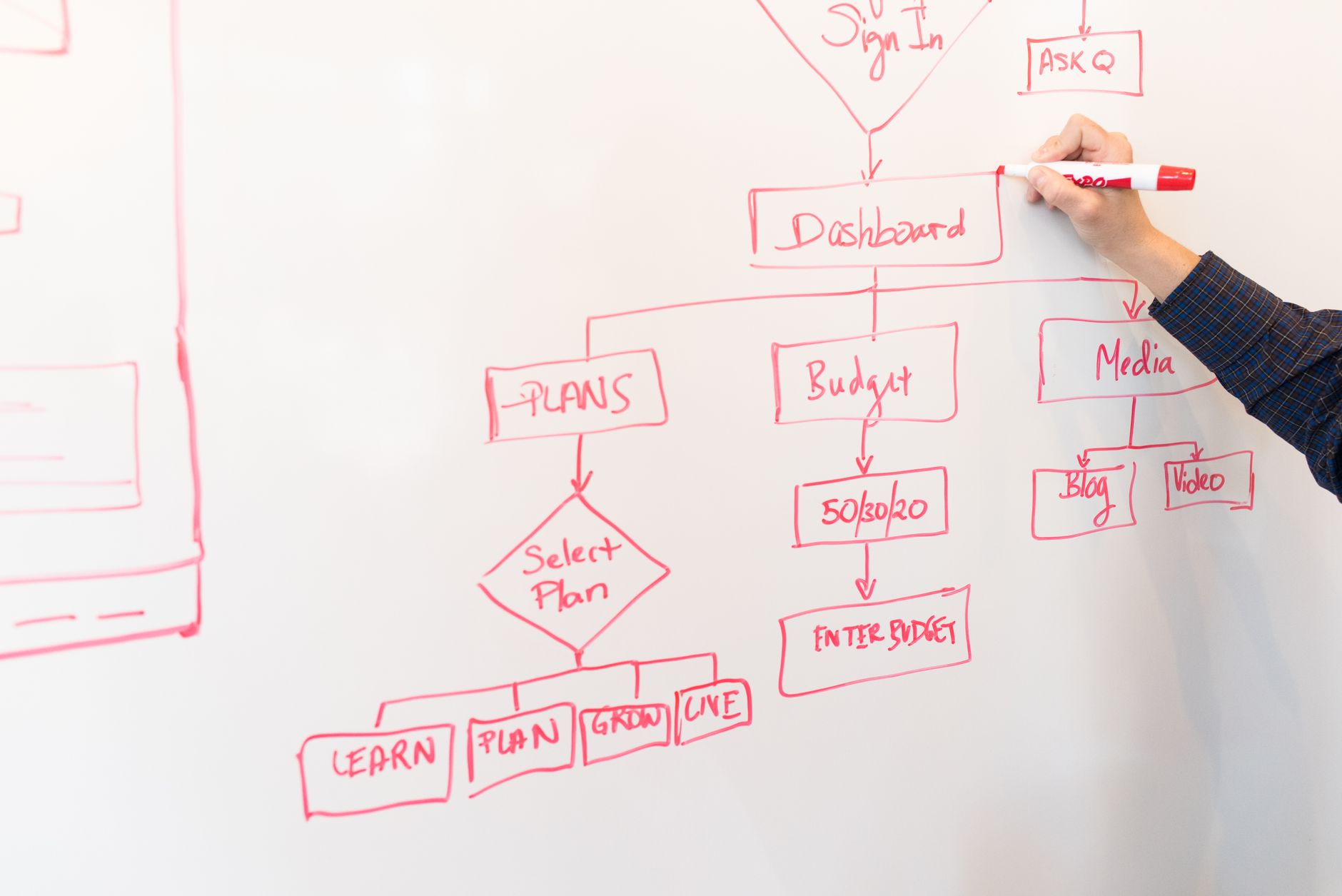
A sales reporting automation consultant evaluates your existing sales processes and identifies opportunities for automation. They map out how data flows through your sales pipeline, from initial lead capture to closing a deal. The consultant then designs and implements automated workflows to collect relevant data points, ensuring accuracy and consistency.
Deliverables typically include a detailed automation strategy, selection of appropriate tools, custom workflow development, system integration, and comprehensive training for your sales team. Help With Automation focuses on building systems that provide clear visibility into your sales performance metrics. We aim to reduce human errors and free up your team's time.
3. The Core Workflows We Automate for Sales Reporting
Our work often centers on automating several key sales reporting workflows. One common example is automating lead source attribution. When a new lead enters the system, the automation automatically tags it with the correct lead source, whether it came from a Facebook ad, website form, or referral. This ensures accurate reporting on marketing ROI.
Another critical workflow is pipeline stage updates. When a sales representative moves a deal from 'Proposal Sent' to 'Negotiation,' the system automatically logs the date and time, updates reporting dashboards, and can even trigger follow-up tasks for the rep. This keeps your pipeline data current.
We also build exception paths for common failure modes, such as a missed follow-up task triggering an alert to a sales manager, ensuring no lead falls through the cracks. We use tools such as HubSpot and GoHighLevel for CRM management and Zapier for integrations.
4. Evaluating Your Automation Partner: In-House vs. Agency vs. Fractional
Deciding how to implement sales reporting automation involves choosing between an in-house team, a dedicated agency like HWA, or a fractional consultant. An in-house approach provides direct control but requires significant upfront investment in hiring and training. It also diverts internal resources from your core business activities.
A fractional consultant offers specialized expertise on a part-time basis, which can be cost-effective for smaller, contained projects. However, they may not offer the same depth of team support or long-term engagement as a full-service agency.
An agency partner provides a dedicated team with varied skill sets, ensuring comprehensive coverage from strategy to implementation and ongoing support. They bring a breadth of experience from working with multiple clients, anticipating challenges and delivering tested solutions more quickly.
5. A Phased Approach to Sales Reporting Automation
Our engagements typically follow a structured, phased approach to ensure a smooth transition and measurable results. The first 30 days focus on discovery. We audit your current sales processes, identify reporting gaps, and define key metrics. This involves deep dives into your existing data, CRM setup, and team needs.
During days 31-60, we move into the build phase. This means configuring your CRM, setting up integrations with other sales tools, and developing the core automation workflows. We perform initial testing with your team to catch any issues early.
Days 61-90 involve comprehensive training for your sales team, data validation, and fine-tuning the automated reports. We establish monitoring protocols to measure success metrics like improved lead response time or increased pipeline visibility. This ensures your team uses the new system effectively and sees its benefits immediately.
6. Addressing Common Challenges and Risk Factors
Small firms sometimes face challenges when adopting new automation. One common issue is incomplete data, where historical records lack consistency. We address this by establishing clear data input standards and, if necessary, implementing data cleansing processes before automation. Another risk is employee resistance to change. We mitigate this through early team involvement, clear communication of benefits, and thorough training sessions.
Integrating disparate systems can also present hurdles. Different tools might not communicate seamlessly. Help With Automation specializes in connecting various platforms, building custom bridges using integration tools where off-the-shelf solutions fall short. This ensures your data flows accurately across your entire tech stack, from your marketing platform to your sales CRM.
7. Measuring Success in Automated Sales Reporting
Measuring the effectiveness of sales reporting automation involves tracking specific operational improvements. We work with clients to define key performance indicators from the start. These include metrics such as the time saved on manual report generation, the accuracy of lead source attribution, or the speed of pipeline updates.
You should see a reduction in the time your team spends on administrative reporting tasks.
Beyond time savings, success means having clear, accessible dashboards that provide real-time insights into your sales pipeline. This allows you to quickly identify bottlenecks, forecast revenue more accurately, and understand which sales activities drive the most conversions.
Regular review meetings help us evaluate the automation's impact and identify further optimization opportunities, ensuring the system continues to meet your evolving business needs.
8. Partnering with Help With Automation for Clearer Sales Data
Improving your sales reporting does not have to be a complex, manual process. Help With Automation helps small firms in Lynchburg, Virginia, and beyond transform their sales operations through tailored automation. We provide the expertise needed to implement systems that deliver accurate, actionable sales data, allowing you to focus on growth.
If you are ready to stop wasting time on manual reports and start making data-driven decisions, we invite you to explore how our services can help. Learn more about our approach and begin a conversation about your specific needs. Visit our services page or contact us to schedule an initial discussion.
Related Automation Resources
Start your journey toward better sales reporting with a detailed audit of your current processes.
contact usSpeak with our team about your specific sales reporting automation needs.
sales pipeline automation examplesExplore more examples of how automation can streamline your entire sales pipeline.
best CRM automations for local small teamsDiscover other crucial CRM automations that benefit small businesses.
HubSpot workflow automation consultant for small B2B firmsSee how we help small B2B businesses optimize their workflows using HubSpot.
FAQ
What does a sales reporting automation consultant do?
A sales reporting automation consultant helps small firms streamline their sales data collection, analysis, and presentation. They identify manual processes, design automated workflows using CRM and integration tools, implement these systems, and train your team. The goal is to provide real-time, accurate sales performance insights without manual effort.
How does sales reporting automation benefit small firms?
Small firms benefit from sales reporting automation by gaining clearer insights into their sales pipeline, lead performance, and team effectiveness. It reduces the time spent on manual data entry and report generation, improves data accuracy, and allows for faster, data-driven decision-making. This ultimately helps in optimizing sales strategies and boosting efficiency.
What tools are typically used for sales reporting automation?
Common tools for sales reporting automation include Customer Relationship Management (CRM) systems like HubSpot, GoHighLevel, or Salesforce, which serve as the primary data hubs. Integration platforms such as Zapier or Make connect various tools. Business intelligence dashboards like Google Looker Studio or built-in CRM reporting features are used for data visualization and analysis.
How long does it take to implement sales reporting automation?
The implementation timeline for sales reporting automation varies based on your firm's current systems, the complexity of your sales process, and the number of integrations required. Simple projects involving basic CRM reporting might take a few weeks.
More comprehensive projects with custom workflows and multiple system integrations often span several months. Help With Automation provides a detailed project timeline after an initial assessment.
How much do small business consultants charge for automation?
Consulting fees for sales reporting automation for small businesses vary widely. Factors include the consultant's experience, the scope of the project, the complexity of the required integrations, and whether the engagement is project-based or ongoing. Some consultants charge hourly, while others offer fixed-price project packages.
It is important to get a clear quote tailored to your specific needs after a discovery call.
What data should small firms track in sales reports?
Small firms should track key sales data points such as lead sources, lead conversion rates at each pipeline stage, sales cycle length, average deal size, win/loss rates, sales representative performance, and total revenue. Tracking these metrics provides a holistic view of your sales funnel, helping to identify strengths and areas for improvement.
Want this mapped to your business?
HWA can audit the manual work behind your sales, ops, and customer follow-up systems, then turn the best opportunities into working automation.