
Make.com Automation Agency for Back-Office Processes
A Make.com automation agency can help when back-office processes span multiple systems, branches, approvals, and failure paths that are hard to own internally.

TL;DR
- Hire outside Make expertise when the process crosses systems, branches, approvals, or meaningful failure paths.
- Require process maps, source-of-truth decisions, dedupe rules, destination verification, and recovery procedures as real deliverables.
- Design credit usage and reliability together because scenario structure, retries, and AI features can change operating cost.
- Start with one narrow end-to-end obligation, prove it in production, then expand from evidence.
Map the workflow before you pay for a large build
A clear first milestone should prove one real business obligation from trigger to verified destination state, including what happens when something fails.

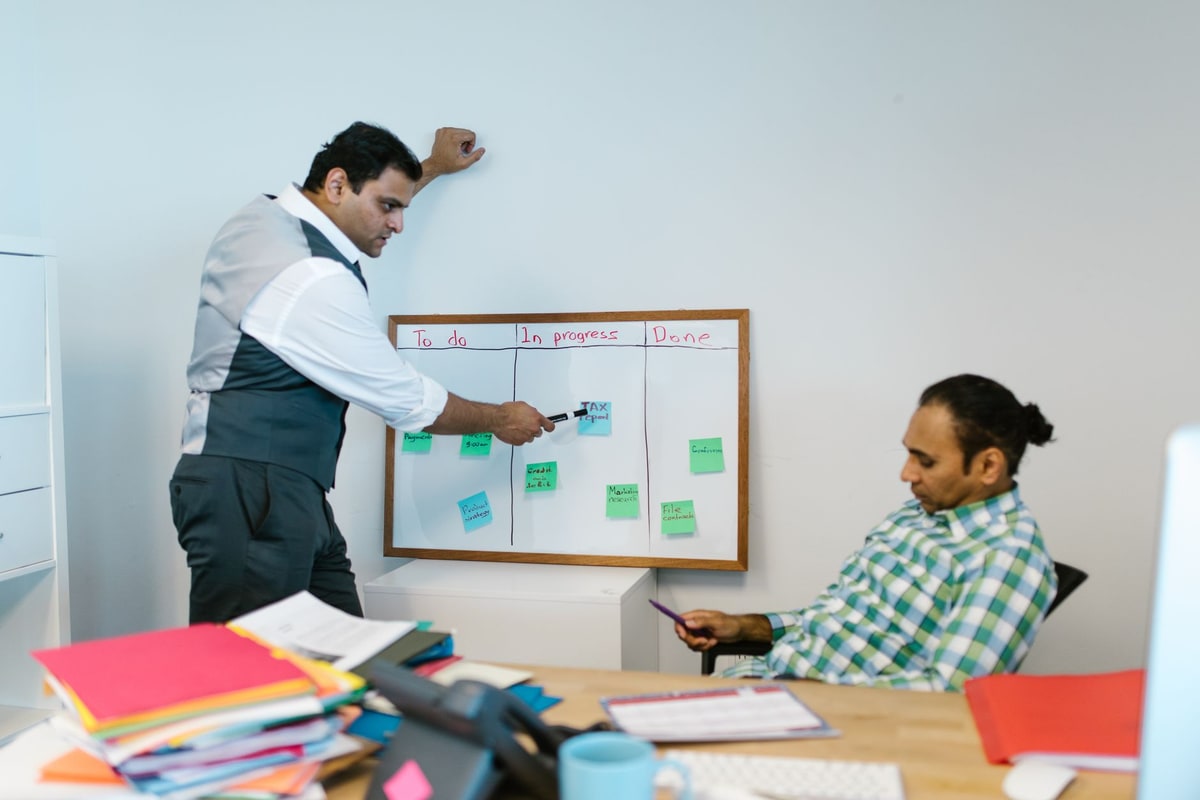

Make.com Automation Agency: When Outside Help Makes Sense
A Make. com automation agency makes the most sense when the back-office process is not just one trigger and one action. The stronger use cases cross several systems, include branching rules, require approvals, or need a clear recovery path when a destination rejects data.
Make itself maintains a partner directory for organizations that want help with complex automation implementations, which is useful evidence that specialist implementation is a normal buying path for larger or more involved scenarios.
Before hiring anyone, separate the workflow from the tool. Write down the business event that starts the process, the system that owns each important field, the decision rules, every external write, and the person who owns exceptions.
If that map is still unclear, adding a consultant usually speeds up configuration but not clarity. A good implementation partner should force those decisions before turning the process into modules and routes.
A simple example is a service firm that accepts a signed proposal, creates a project, opens a client folder, starts billing, assigns internal tasks, and alerts the delivery owner. That is still one business obligation even though it touches several systems.
The automation should preserve that obligation, deduplicate repeated events, and leave enough evidence that an operator can tell which destination actually changed.
What a Make.com Automation Agency Should Deliver
The deliverable should be an owned operating system, not a collection of scenarios that only the builder understands. At minimum, the project should leave behind a process map, field mapping, scenario inventory, connection ownership, error behavior, test cases, monitoring expectations, and a handoff plan.
The buyer should know which system is authoritative for customer data, project status, billing status, and each other critical field.
Make supports routers that split a scenario into multiple routes based on conditions. Its documentation also notes that routes are processed in sequence and can include a fallback route. That makes branching explicit, but it does not decide the business rules for you.
The implementation partner still needs to define what happens when two conditions match, no condition matches, a record already exists, or the destination is temporarily unavailable.
Ask for verification at the destination, not just a green run in the automation tool. If a scenario creates an invoice, the test should verify the invoice exists with the correct customer and amount. If it creates a project, verify the project and ownership fields.
This matters because a workflow can technically complete while still writing the wrong data or creating duplicate records.
Scope the Back-Office Process Before Building
A clean Make.com implementation starts with scope boundaries. Define what event begins the obligation, what successful completion means, what must never happen twice, and which exceptions require a person. Those four decisions prevent many of the failures that appear later as technical problems.
For each step, capture the source field, destination field, validation rule, and allowed fallback. For example, an accepted proposal might need a stable proposal ID for deduplication, a client ID for CRM matching, a project template ID, and an owner lookup.
If any one of those identifiers is missing, the scenario should have a defined behavior rather than guessing. That might mean pausing for review, routing to an exception queue, or creating an incomplete execution for later resolution.
This is also where the buyer should decide what stays manual. Approval to issue a refund, change a contract, or alter pricing may be better left as a human decision even if the surrounding data movement is automated. The goal is not maximum automation. The goal is a process that is faster, easier to audit, and safer to change.
In-House, Freelancer, or Agency: How to Choose
Choose the delivery model based on complexity, ownership, and how often the system will change. An internal operator can be the best owner for a small number of stable scenarios when that person understands the business rules and has time to maintain them.
A specialist can be more useful when the process crosses several systems, has meaningful failure consequences, or needs a structured handoff to a team that did not build it.
The evaluation should focus on evidence. Ask the prospective builder to explain how they handle duplicate triggers, partial failures, rate limits, expired credentials, missing fields, retries, and rollback or compensation when a downstream write has already happened.
Ask what logs an operator will read, who receives alerts, and what the recovery procedure is. A polished scenario diagram is not enough if the team cannot safely recover a failed run.
If you are comparing Make with another platform before choosing a delivery partner, the HWA guide on Zapier vs Make for agency workflows explains how workflow shape and maintenance ownership change the platform decision. For more technical back-office orchestration, the n8n automation agency guide is another useful comparison point.
The right answer may be Make, another builder, or a mixed stack, but the business obligation should still have one clear owner.
Related comparisons: Zapier vs Make for agency workflows and n8n automation agency for back-office workflows.
Design Reliability and Credit Usage Together
Reliability and operating cost should be designed together because scenario structure affects both. Make now uses credits as its billing unit.
Its current help documentation says standard non-AI app activity generally uses a fixed credit model where one operation equals one credit by default, while some AI and advanced features can use credits dynamically.
That means a partner should estimate volume from the actual modules, branches, polling frequency, retries, and data shape instead of quoting a generic automation cost.
Failure handling deserves the same attention. Make documents error handlers that can intercept errors and follow configured recovery logic. It also supports incomplete executions, which can store unfinished scenario runs for later retry or resolution when enabled.
Those features are useful, but the builder still has to decide which errors are safe to retry and which require investigation. Repeating a failed write without a deduplication key can turn a transient error into a duplicate business record.
A practical acceptance test should include normal records, missing required fields, duplicates, delayed API responses, authorization failures, rate limits, and destination errors. For every test, record the expected state in Make and the expected state in the destination system. That gives the owner a concrete runbook instead of relying on memory after launch.
What a Healthy 30/60/90-Day Engagement Looks Like
A healthy first 30 days should be about discovery, boundaries, and a narrow production slice. The partner maps the process, confirms system ownership, identifies the highest-risk exceptions, builds a small end-to-end path, and proves it against real test cases. The point is to learn where the process is ambiguous before automating every branch.
By roughly 60 days, the system should be expanding from the proven path into additional branches, error handling, alerts, and operational reporting. The owner should be able to inspect execution history, understand the main scenarios, and identify where a failed run stopped. Documentation should evolve with the build rather than being written from memory at the end.
Around 90 days, the priority should shift toward hardening and handoff. Review permissions and connections, confirm alert ownership, archive unused experiments, measure actual credit usage, document recovery procedures, and have the future owner make a controlled change.
These are example milestones, not a promise that every Make project should last 90 days. A smaller workflow may be much faster, while a larger integration program may require more time.
How to Evaluate a Make.com Automation Agency Before Hiring
Evaluate a Make. com automation agency by asking for a clear implementation method, not a long list of apps they have connected. The strongest answer should start with process discovery and source-of-truth decisions, then move into scenario design, testing, recovery, deployment, monitoring, and handoff.
If the proposal jumps directly to building modules without defining the business state, the technical work may be starting too early.
Ask who will own each connection, how credentials are managed, how production changes are reviewed, how duplicate side effects are prevented, and what happens after a failure. Make's own partner directory describes certified partners as product experts for complex automation needs.
If certification matters to your procurement process, verify the provider's current status directly in Make's directory rather than relying on a badge or old screenshot.
Finally, make the first engagement small enough to verify. HWA's workflow audit can help turn an unclear back-office process into a concrete implementation scope before a larger build. A useful first milestone should prove one real obligation end to end, including the destination state and the failure path.
Once that works, expanding the system is much safer than buying a large build based only on a diagram.
If you want help scoping the first verified milestone, review HWA's Workflow Audit or automation services.
Frequently Asked Questions
What does a Make.com automation agency do?
A Make.com automation agency maps business processes, builds and tests Make scenarios, connects the required systems, defines failure handling, and documents how the finished automation is owned and maintained. The exact scope should depend on the business process, not just the number of apps involved.
When should a business hire a Make.com specialist instead of building in-house?
Outside help is most useful when a workflow crosses several systems, contains branching or approvals, has meaningful failure consequences, or lacks an internal owner with time to design and maintain it. Simple stable scenarios can often remain in-house.
How should a Make.com project handle failed runs?
The project should define which errors can be retried automatically, which need a person, how incomplete executions are handled, and how duplicate side effects are prevented. The recovery rule should be tested before launch, not invented after the first production failure.
How do Make credits affect automation cost?
Make uses credits as its billing unit. Standard non-AI app activity generally uses fixed credit consumption, while some AI and advanced features can vary by usage. The useful estimate is based on the actual scenario structure, frequency, data volume, and retry behavior.
What should I ask a Make.com automation agency before hiring?
Ask how they map the process, choose sources of truth, prevent duplicates, test destination state, handle errors, monitor production, document scenarios, and transfer ownership. If certification matters, verify the provider's current status directly with Make.
Sources
Current Make documentation used to verify the product-specific claims in this guide.
Need a build-ready scope instead of another automation diagram?
Start with one process, define the source of truth and failure path, and prove the smallest useful production slice before expanding.