
Invoicing Automation Service for Small Business Efficiency
An invoicing automation service for small business efficiency connects your sales, billing, and accounting systems to eliminate manual data entry, reduce errors, and accelerate payment cycles.

TL;DR
- An invoicing automation service makes small businesses more efficient by eliminating manual billing tasks and reducing errors.
- Hiring an automation agency provides specialized expertise, faster deployment, and ongoing support for your invoicing workflows.
- Key benefits include improved cash flow, greater accuracy, and freeing up staff for high-value tasks.
- A successful implementation involves auditing current processes, selecting the right tools like QuickBooks or HubSpot, and strategic integration.
- Our structured 30-60-90 day plan ensures a smooth transition and measurable results for your business.
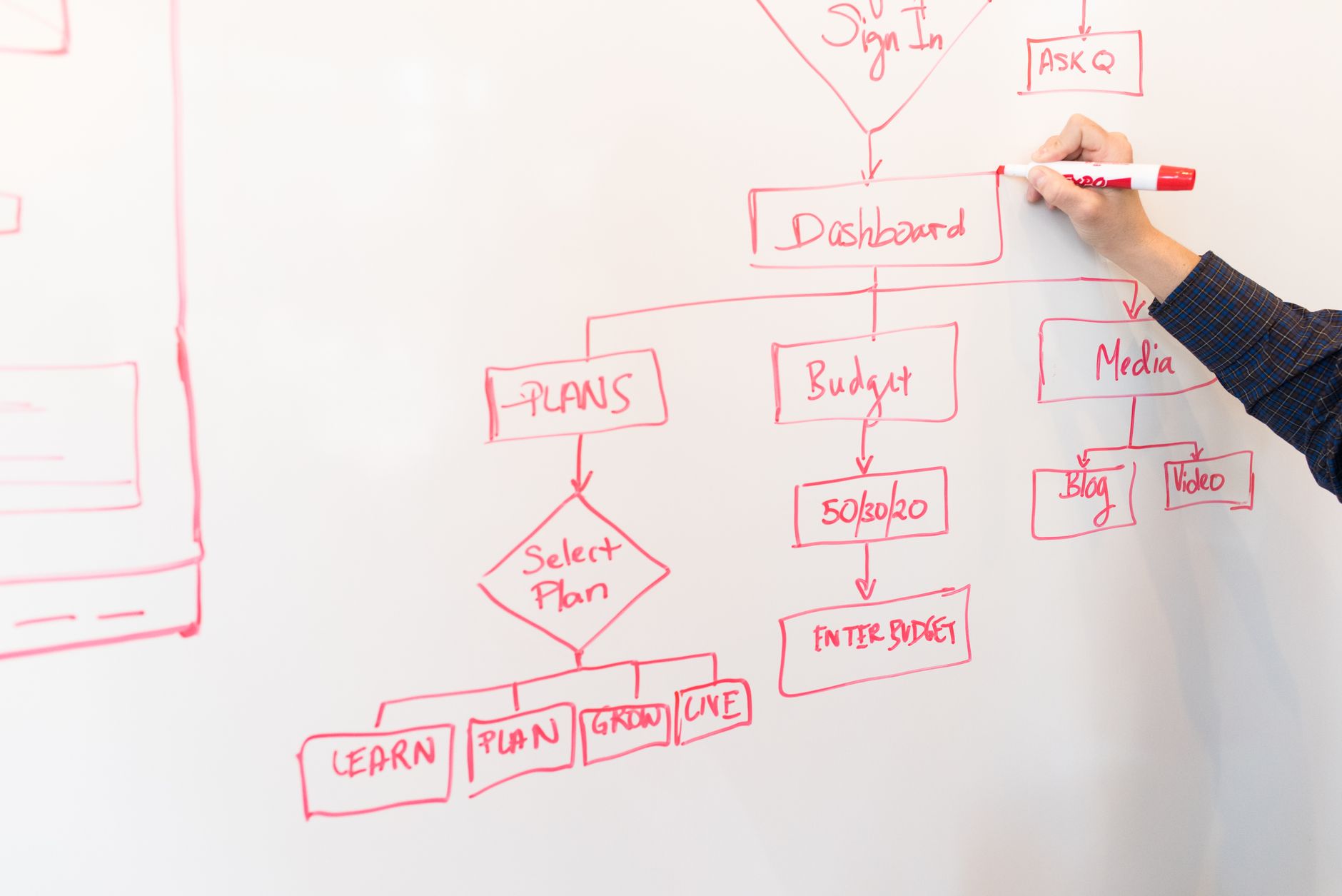


1. Invoicing Automation Service for Small Business Efficiency: What Invoicing Automation Does for Small Businesses
Invoicing automation transforms how small businesses manage client billing, moving away from manual entry and tracking. It connects your sales, service, and accounting systems to create a seamless flow of information. This process reduces human errors, ensures timely invoice delivery, and accelerates payment collection.
For example, a service business using HubSpot CRM can trigger an invoice generation in QuickBooks automatically once a project is marked complete. This eliminates the need for an operations manager to manually create invoices for each finished job. It ensures consistency and prevents revenue leaks from forgotten billing.
2. Why an Invoicing Automation Service Delivers Efficiency
Engaging a specialized invoicing automation service addresses the core challenge of efficiency: doing more with fewer manual steps. Small businesses often lack the in-house expertise or time to design and implement robust automation workflows. An external partner brings this specialized knowledge.
We understand common pain points, such as mismatched records between CRM and accounting software or delays in sending follow-up reminders. An agency focuses on building resilient systems that handle these exceptions. This allows your team to focus on serving clients and growing the business, not on administrative tasks.
3. Scope and Deliverables from an Automation Partner
When partnering for invoicing automation, the scope covers a full lifecycle from discovery to ongoing support. Initially, we audit your existing billing processes, identifying bottlenecks and manual handoffs. This helps define clear objectives and expected outcomes.
Deliverables typically include a detailed workflow design, configuration of automation platforms (like Zapier or Make integrating with QuickBooks Online or Xero), system testing, staff training, and a post-implementation review. Our goal is a fully functional, reliable system. We ensure all parts of the invoicing pipeline work together seamlessly.
- Process Audit & Needs Analysis
- Solution Design & Technology Stack Recommendation
- System Integration & Configuration
- Custom Workflow Development (e.g., payment reminders, overdue notifications)
- User Training & Documentation
- Post-Launch Support & Optimization
4. Typical Engagement Timeline and Responsibilities
A typical invoicing automation engagement with Help With Automation spans 8 to 12 weeks for initial setup and deployment. This timeline accounts for discovery, design, build, and testing phases. Complex integrations or custom reporting needs may extend this slightly.
We handle the technical design, configuration, and integration work. Your team provides access to existing systems, clarifies business rules, and participates in user acceptance testing. Client ownership includes validating workflows and providing feedback during the build. Our collective effort ensures a solution that truly fits your operations.
5. Comparing In-House, Agency, and Fractional Automation
Small businesses evaluate three main paths for automation: building in-house, hiring an agency, or using a fractional consultant. In-house means a significant time investment from existing staff or hiring new talent. This path offers full control but incurs high learning curves and ongoing maintenance overhead.
An agency like HWA offers a dedicated team, structured process, and guaranteed project delivery. We bring pre-built frameworks and experience from similar client scenarios. Fractional automation provides expertise on a part-time basis. This balances specialized knowledge with a smaller, ongoing commitment. The best choice depends on your project's complexity, budget, and internal team capacity.
6. Risk Factors in Invoicing Automation and How to Mitigate Them
Implementing invoicing automation carries specific risks, primarily data migration errors, resistance to new processes from staff, and integration failures between disparate software. Inaccurate data transfer can corrupt financial records. Employees might struggle with new platforms, causing delays.
Help With Automation mitigates these risks through meticulous planning and phased rollouts. We conduct thorough data validation checks before any migration. Our team provides comprehensive training and ongoing support to ensure user adoption. We also design exception paths for any failed automation steps, ensuring a human handoff prevents revenue loss.
For instance, if a payment reminder fails to send, a notification triggers for a staff member to manually follow up.
7. What a Healthy 30-60-90 Day Plan Looks Like
A well-structured 30-60-90 day plan guides a smooth transition to automated invoicing. In the first 30 days, we focus on deep discovery and system analysis. This period defines your current state, ideal future state, and technology requirements. We map out all stakeholders and their roles.
The next 30 days involve the core build and initial pilot. We configure integrations, develop custom workflows, and begin testing with a small group. This allows for early feedback and adjustments. The final 30 days complete full system deployment, comprehensive team training, and performance monitoring.
We track key metrics like invoice processing time and payment cycle duration, ensuring the system delivers promised efficiencies.
8. Partner with HWA for Seamless Invoicing Automation
Invoicing automation offers significant advantages for small businesses aiming for greater efficiency. Partnering with an expert agency like Help With Automation provides a clear path to achieving these benefits. We handle the technical heavy lifting, allowing your team to focus on core operations.
Our process minimizes disruption and maximizes the return on your automation investment. We ensure your invoicing workflows are accurate, fast, and reliable. This frees up resources and improves your overall financial health. Ready to streamline your billing?
Explore our service offerings to see how we can tailor a solution for your business. Visit our services page or schedule an audit to begin.
Related Automation Resources
Explore our service offerings to see how we can tailor a solution for your business.
schedule an auditVisit our services page or schedule an audit to begin.
workflow automation auditOur initial audit helps define your current state and ideal future state.
CRM automation workflowsA service business using HubSpot CRM can trigger an invoice generation in QuickBooks automatically once a project is marked complete.
Zapier or Makeconfiguration of automation platforms (like Zapier or Make integrating with QuickBooks Online or Xero)
business automation servicesHiring an automation agency provides specialized expertise, faster deployment, and ongoing support for your invoicing workflows.
FAQ
What are the best invoicing services for small businesses?
The best invoicing services integrate well with your existing accounting and CRM systems. Popular choices for small businesses include QuickBooks Online, Xero, FreshBooks, and Zoho Invoice. The ideal service depends on your specific needs for payment processing, reporting, and integration capabilities.
Is there a way to automate invoices?
Yes, you can automate invoices by integrating your CRM, project management, or time-tracking software with your accounting platform. This setup automatically generates and sends invoices based on pre-defined triggers, such as project completion or subscription renewals. Automation tools like Zapier or Make often connect these systems.
How does invoicing automation help small businesses become more efficient?
Invoicing automation helps small businesses become more efficient by reducing manual data entry, minimizing errors, and accelerating the payment collection process. It frees up staff time, improves cash flow predictability, and provides clearer financial reporting, all contributing to operational gains.
What is the typical cost for an invoicing automation service?
The cost for an invoicing automation service varies based on the complexity of your existing systems, the number of integrations required, and the scope of custom workflow development. It is best to obtain a custom quote after a detailed audit of your specific business needs and processes.
What role does a human handoff play in automated invoicing workflows?
Even with automation, strategic human handoffs are crucial for managing exceptions or complex scenarios. For example, if an automated payment reminder fails to deliver, the system can trigger a notification for a staff member to manually intervene. This prevents issues from falling through the cracks and ensures continuity.
How do we measure whether invoicing automation is working?
You can measure the effectiveness of invoicing automation by tracking key performance indicators such as average days to payment, invoice processing time, error rates in billing, and the amount of staff time saved. Comparing these metrics before and after implementation provides clear evidence of success.
Want this mapped to your business?
HWA can audit the manual work behind your sales, ops, and customer follow-up systems, then turn the best opportunities into working automation.